
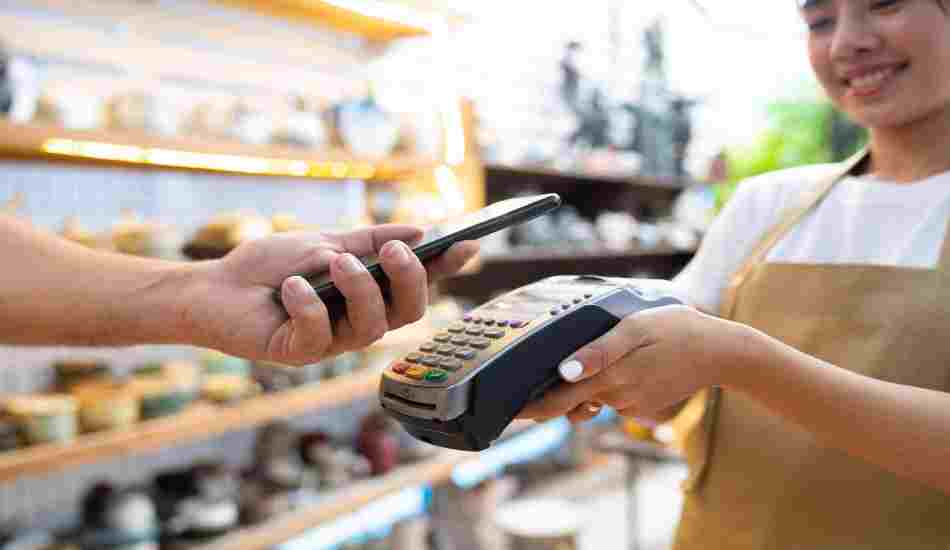
Hey, have you noticed how rarely you reach for actual cash these days? I barely do. Most of the time it’s just a quick tap on my phone or a scan of a QR code. That small habit is part of something much bigger — the future of cashless payments worldwide is already here in 2026, and it’s moving faster than most people expected.
So what exactly are cashless payments? Very simple: any way of paying without using paper notes or coins. You’re using a smartphone, smartwatch, contactless card, online banking app, or even a digital wallet. Think Apple Pay, Google Pay, UPI in India, Pix in Brazil, Swish in Sweden — these names are becoming more common than cash machines.
Why Is the Future of Cashless Payments Worldwide Growing So Fast?

A few things are pushing this change hard right now.
First — it’s super convenient. Paying takes two seconds. No counting change, no waiting for the cashier to give you notes back.
Second — people still love the contactless feeling after the pandemic years. Nobody wants to hand over dirty cash.
Third — almost everyone has a smartphone now. Even in small towns and villages, cheap data plans and basic phones let people join in.
Fourth — new tech keeps making things better and safer: better encryption, AI that spots fraud instantly, real-time transfers that happen in seconds instead of days.
Because of all this, cashless payments are exploding. In many countries digital transactions have already passed cash for everyday shopping.
Digital Wallets Are Leading the Way
The real stars of the future of cashless payments worldwide are digital wallets. These little apps let you store money, link your bank account, pay bills, split dinner with friends, and send cash to your family 500 km away — all from your phone.
In places like India, China, Kenya and Nigeria, digital wallets have basically replaced cash for millions of people. You see street vendors with QR codes, small shops accepting phone payments, even grandma paying for vegetables with her phone. That’s how normal it’s becoming.
Banks + Tech Companies = Faster Change

Big banks are not sitting still. They’ve built their own mobile apps, added instant transfer options, and made online banking feel easy. At the same time, tech companies keep launching cleaner, prettier, more secure ways to pay.
Together they’re creating a world where money moves almost instantly and almost for free — especially across borders.
A Few Real Challenges Still Exist
It’s not perfect yet.
Some people don’t have smartphones or reliable internet — especially in very rural areas or among older generations.
Cyber security worries are real — nobody wants their account hacked.
And honestly, a lot of people still feel safer holding physical cash in their hand.
These problems matter. Governments and companies are working on solutions: cheaper phones, better village internet, stronger fraud protection, and keeping cash as an option for people who want it.
What Comes Next for the Future of Cashless Payments Worldwide?
Looking at 2026 and the next few years, things will keep moving in one direction:
– More countries testing or launching their own digital money (CBDCs)
– AI making payments smarter and catching scams before they happen
– Payments becoming “invisible” — your watch or car just pays automatically
– Even more small shops, street food stalls and public buses accepting phone payments
Cash won’t disappear completely anytime soon, but it’s definitely becoming the backup option instead of the main one.
Final Thoughts
The future of cashless payments worldwide looks bright, convenient, and — for most people — much easier. Whether you’re sending money to family, buying coffee, or paying rent, digital is quickly becoming the normal way.


