
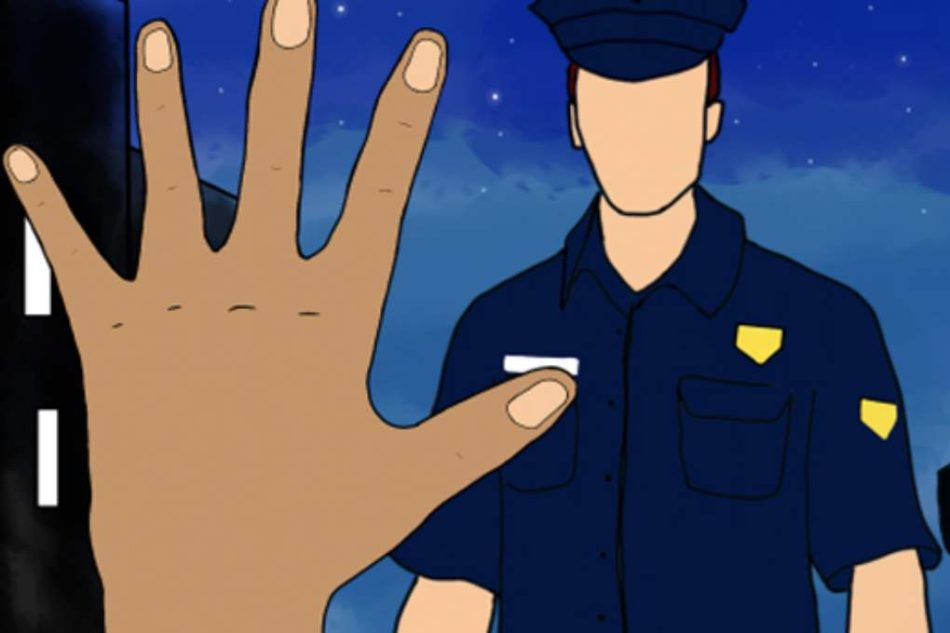
The Rise of Fake Police Footage
Fake police videos are becoming more common, making it harder for people to know what really happened during an incident. But by paying close attention to body language, you can often spot signs that a video has been edited or staged.
Why Body Language Is Important
Body language includes things like facial expressions, gestures, and the way someone stands or moves. When people are being honest, their words and actions usually match up. But if someone is acting, lying, or if the video has been tampered with, their body language can seem off or unnatural.
Key Body Language Clues
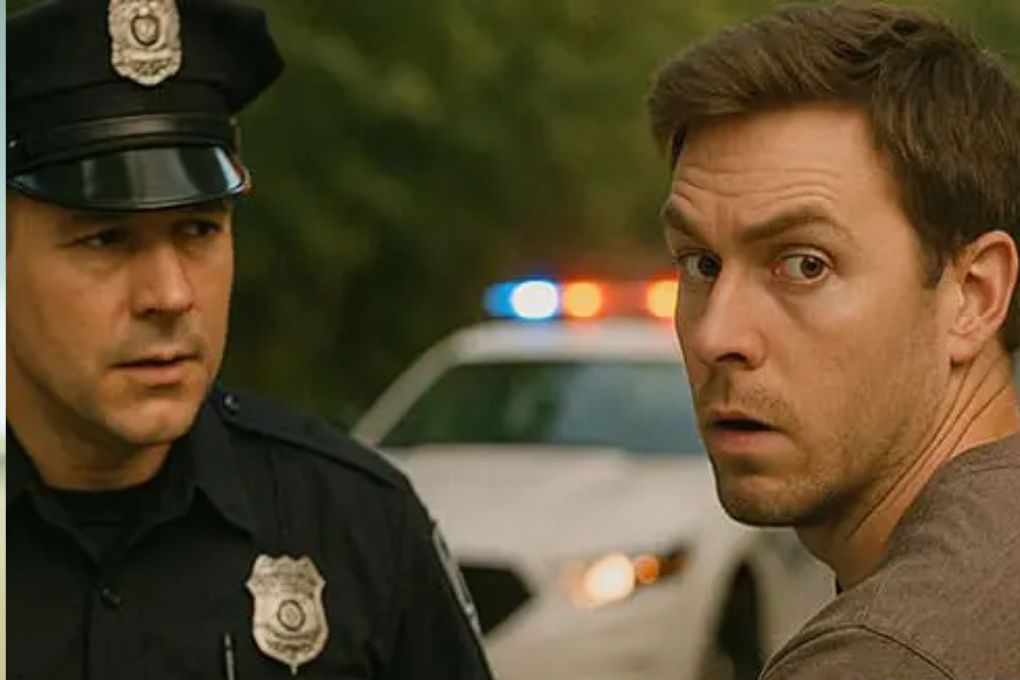
For example, someone who avoids eye contact might be uncomfortable or hiding something. Fidgeting—like tapping fingers, shifting weight, or playing with clothing—can also signal nervousness or dishonesty. Sometimes, a person might turn their body away from the camera or the police, as if they don’t want to be seen or involved. On the other hand, standing too still can be just as suspicious, since people who are trying to hide their true feelings might freeze up and avoid moving altogether.

Watching for Unnatural Reactions
Another clue is how quickly or slowly someone reacts to what’s happening around them. If their reactions seem delayed or oddly timed, it could mean the footage was edited or that the person is acting instead of responding naturally. Facial expressions can also give things away. For instance, if someone smiles when the situation is serious or shows no emotion when you’d expect them to be upset, it’s worth questioning whether what you’re seeing is genuine.
Real-Life Examples
There have been real-life cases where experts used these body language cues to figure out if a police video was real or fake. In one situation, a woman who spoke openly with police and looked them in the eye was found to be telling the truth. Meanwhile, another person who kept turning away and fidgeting seemed to be hiding something.
Why These Clues Matter
While noticing these signs doesn’t always prove a video is fake, it’s a good starting point. If something about the way people act in a video feels strange or doesn’t fit the situation, it’s smart to look closer and maybe ask an expert for help.
In the end, learning to read body language can help you spot fake police footage. By watching how people move, react, and express themselves, you stand a better chance of figuring out what’s real and what’s not—even in a world where videos can be easily edited or faked.


